Home
Regions
HokkaidoTohoku & Kanto ChubuKansai Chugoku & ShikokuKyushu & Okinawa Food CultureArticles
Hiroshima style okonomiyaki

Western & Island Japan · 中国・四国

Chugoku & Shikoku — Inland Sea Cuisine

Flanking Japan's beautiful Seto Inland Sea, these regions offer understated culinary brilliance — Hiroshima's layered okonomiyaki, Tottori's prized snow crab, and Kagawa's legendary sanuki udon, the finest wheat noodles in Japan.

Hiroshima OkonomiyakiSanuki Udon Snow CrabOystersJakoten
Hiroshima okonomiyaki
Chugoku · Hiroshima

The Layered Pancake

Hiroshima's answer to okonomiyaki — built in distinct layers rather than mixed — is a city icon

Sanuki udon noodles
Shikoku · Kagawa

The Udon Capital

Kagawa Prefecture has more udon shops per capita than anywhere on earth

The Defining Foods of the Region

Three iconic dishes that capture the soul of Chugoku and Shikoku's food culture.

Hiroshima okonomiyaki pancake

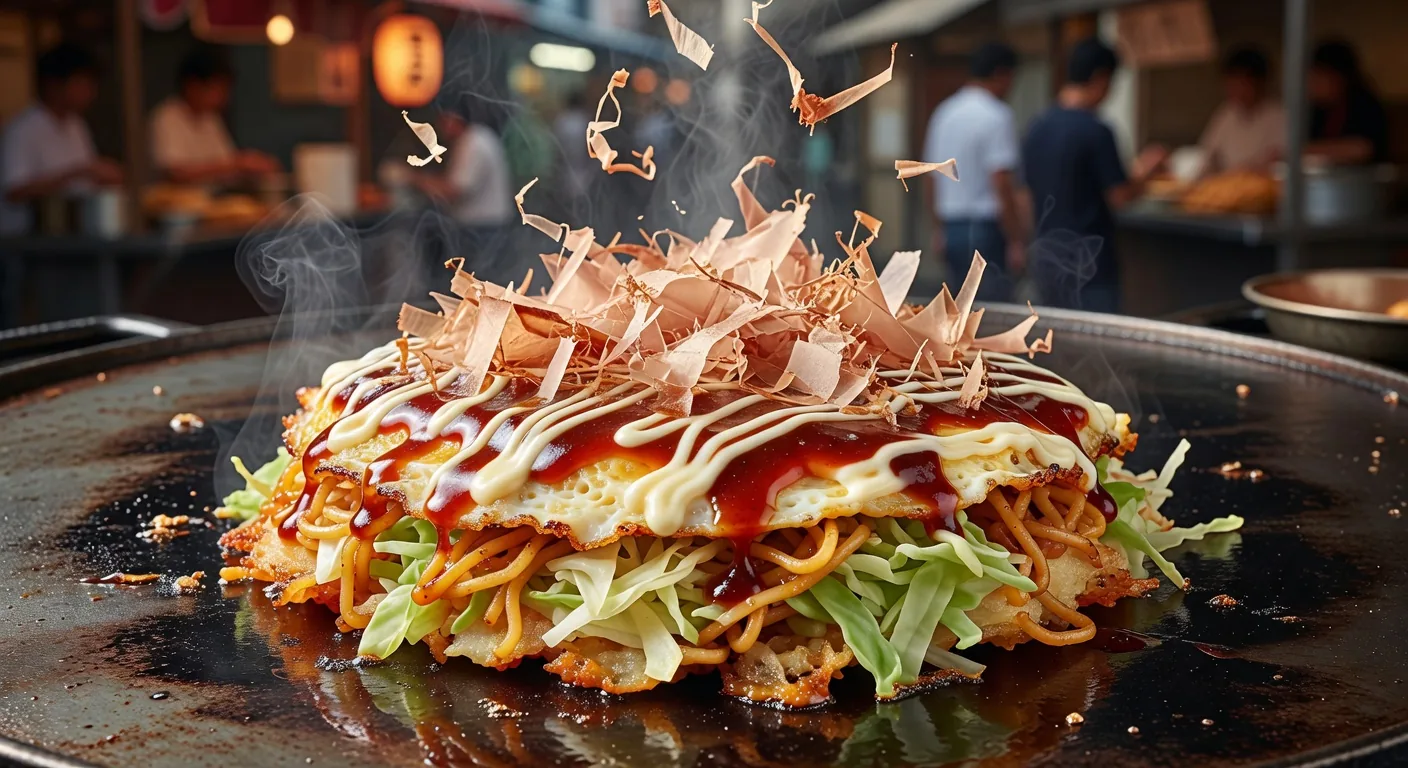
Hiroshima Okonomiyaki — Layers of Flavor

Hiroshima's okonomiyaki is fundamentally different from Osaka's. While Osaka mixes all ingredients into the batter before cooking, Hiroshima builds the dish in careful, distinct layers: a thin crepe base, a mountain of raw cabbage that steams down, bean sprouts, thin pork belly slices, squid or shrimp, and — most distinctively — a portion of yakisoba or udon noodles. The whole structure is flipped and pressed on the teppan (iron griddle), finished with a fried egg, sweet Worcestershire-style sauce, and mayonnaise.

The technique requires skill and patience. The cabbage must be stacked precisely, the heat carefully managed, and the flip executed with confidence. In the Okonomi-mura building in central Hiroshima, dozens of specialist stalls have been cooking this dish for over 70 years, each with its own subtle interpretation.
PrefectureHiroshima, Chugoku Region
Key differenceLayered technique, includes noodles (soba/udon)
Unique to HiroshimaCabbage steams separately, not mixed in batter
Best eatenAt the teppan counter, freshly made
Sanuki udon noodles Kagawa

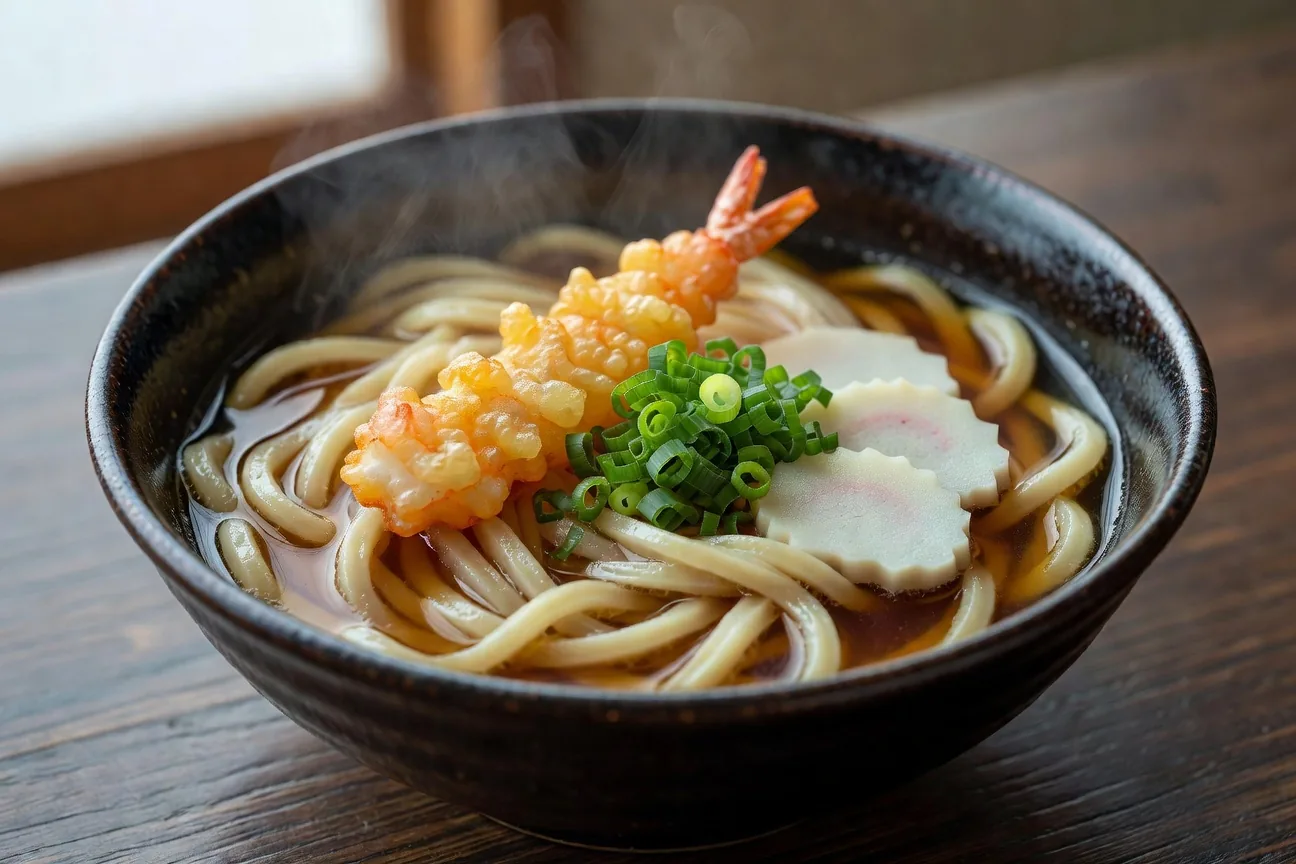
Sanuki Udon — Japan's Finest Noodle

Kagawa Prefecture, historically called Sanuki, has the highest concentration of udon restaurants in Japan — reportedly one per 350 residents. Udon is not merely food in Kagawa; it is culture, identity, and daily ritual. Sanuki udon is defined by its extraordinary texture: thick, white noodles with a firm, chewy bite (koshi) and a smooth, silky surface that can only be achieved with Kagawa's soft local water and decades of skilled kneading.

The most authentic way to eat sanuki udon is at a self-service (serufu) shop — you collect your noodles from the counter, add your own toppings from a shared station (raw egg, green onion, grated ginger, tempura), and pour your own broth. The price is extraordinarily low. This democratic, unfussy approach reflects Kagawa's belief that great food should be accessible to everyone, every day.

PrefectureKagawa (formerly Sanuki), Shikoku
Noodle characterThick, firm, chewy (koshi), silky surface
Service styleSelf-service (serufu), add-your-own toppings
Best seasonYear-round — cold (zaru) in summer, hot in winter
Tottori snow crab matsuba crab

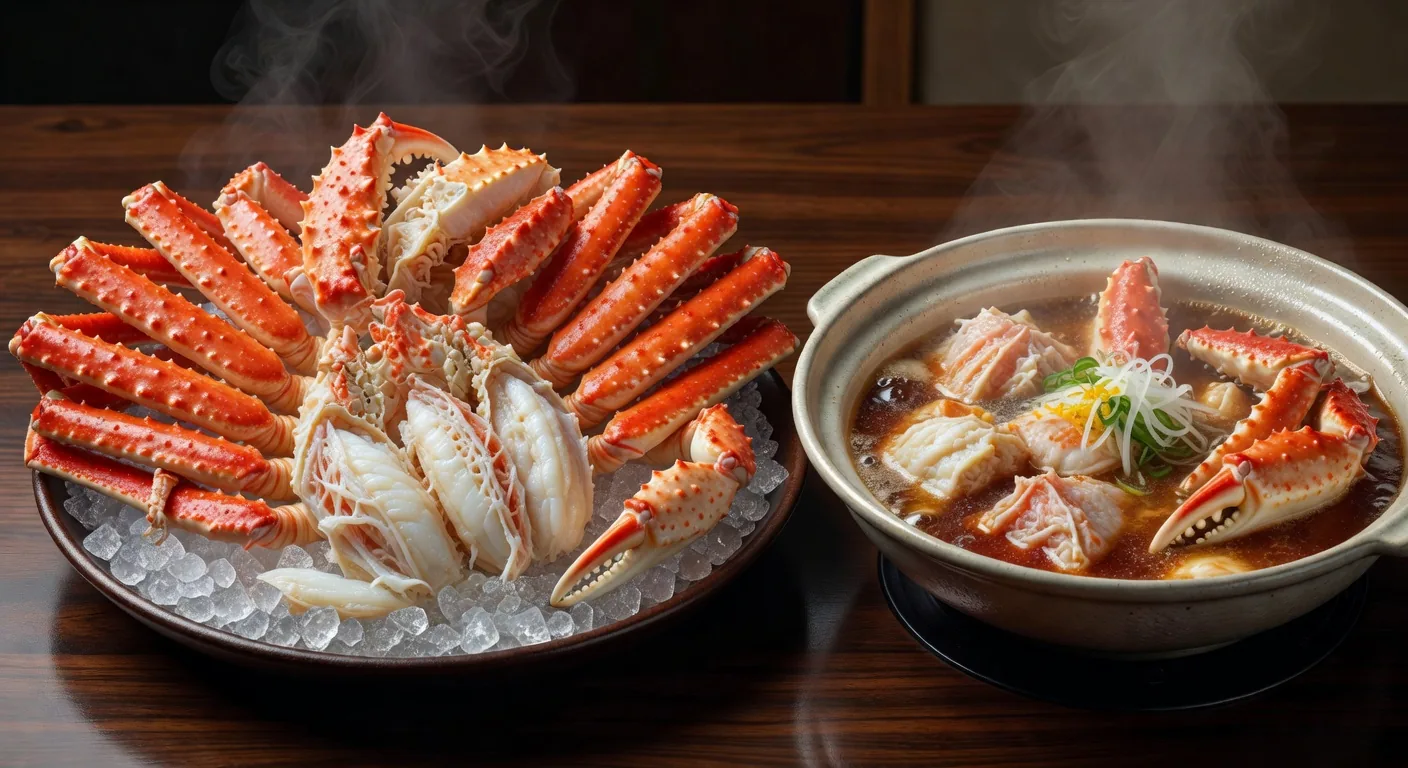
Matsuba Crab — Winter's Greatest Treasure

Tottori Prefecture, facing the Sea of Japan on Japan's often-overlooked western coast, is home to one of Japan's most prized seasonal delicacies: matsuba gani (snow crab, known locally as "pine needle crab" for its long, elegant legs). From November to March, the fishing ports of Tottori — particularly Hamasaka, Kasumi, and Kyotango — become pilgrimage sites for crab lovers from across Japan.

Tottori's matsuba crab is renowned for the delicate sweetness of its meat — a quality attributed to the mineral-rich cold water of the Japan Sea. It is traditionally served simply: lightly boiled to preserve the natural sweetness, arranged whole on a platter, and eaten by hand. More elaborate preparations include crab sashimi (kani-sashi), crab hot pot (kani-nabe), and crab rice (kani-meshi).

PrefectureTottori, Chugoku Region
SeasonNovember 6 — March 20 (fishing season)
SpeciesSnow crab (Chionoecetes opilio)
Best preparationSimply boiled, or as sashimi / hot pot

The Seto Inland Sea — Japan's Culinary Lake

The Seto Inland Sea (Seto Naikai) — the calm, island-dotted body of water between Honshu, Shikoku, and Kyushu — has shaped the food culture of Chugoku and Shikoku for thousands of years. Its sheltered waters and intricate tidal patterns create ideal conditions for exceptional seafood.

The sea's movement between hundreds of islands creates powerful currents that oxygenate the water, producing fish and shellfish of exceptional quality. Hiroshima's famous oysters, grown in the sheltered Hiroshima Bay since the 16th century, are a direct product of this extraordinary environment.

Hiroshima Oysters
Hiroshima Oysters

Hiroshima produces 60% of Japan's oysters — the sheltered bay produces large, plump, briny specimens unlike any other.

Hiroshima Oysters
Inland Sea Tai (Sea Bream)

The tidal currents of the Inland Sea produce extraordinarily firm, sweet sea bream — celebrated across Japan.

Hiroshima Oysters
Awaji Island

Awaji Island's onions — grown in volcanic soil between Hyogo and Tokushima — are Japan's finest, with exceptional sweetness.

Snow crab from Japan Sea

Continue exploring Japan's regions: