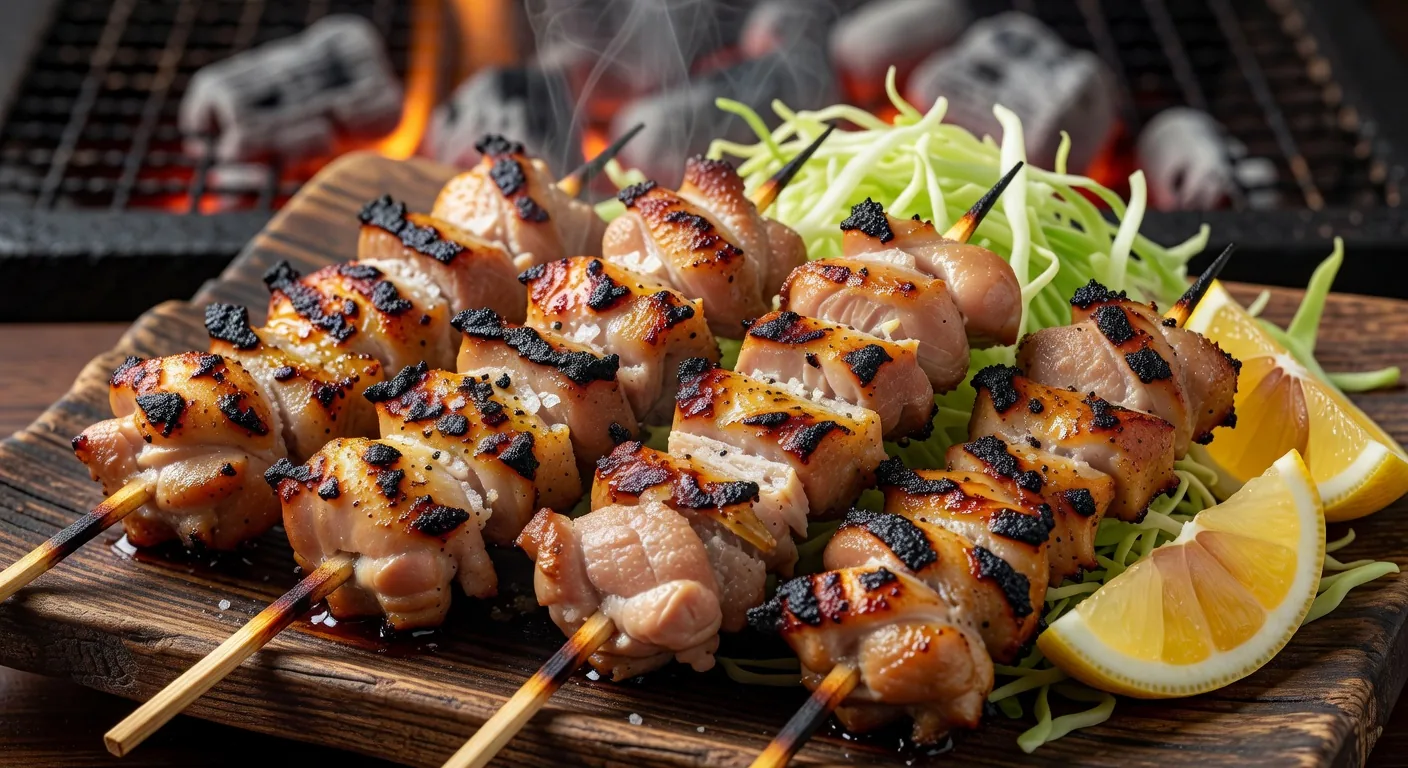
Free-Range & Flame-Grilled: Inside Miyazaki's Jidori Obsession
In the sun-drenched hills of Miyazaki Prefecture, a different kind of chicken is raised — slowly, carefully, and with a level of care rarely extended to poultry anywhere on earth. The result is Japan's most celebrated chicken: Hyuga Jidori, with a flavor and texture that challenges everything you thought you knew about the humble bird.
We traveled to southern Kyushu to understand the obsession — visiting farms, speaking with chefs, and eating tori no tataki at a counter so small we could smell the charcoal from a meter away.
Read Full Article →Latest Articles
From Our Journal
New articles published each month — exploring every corner of Japan's remarkable regional food landscape.
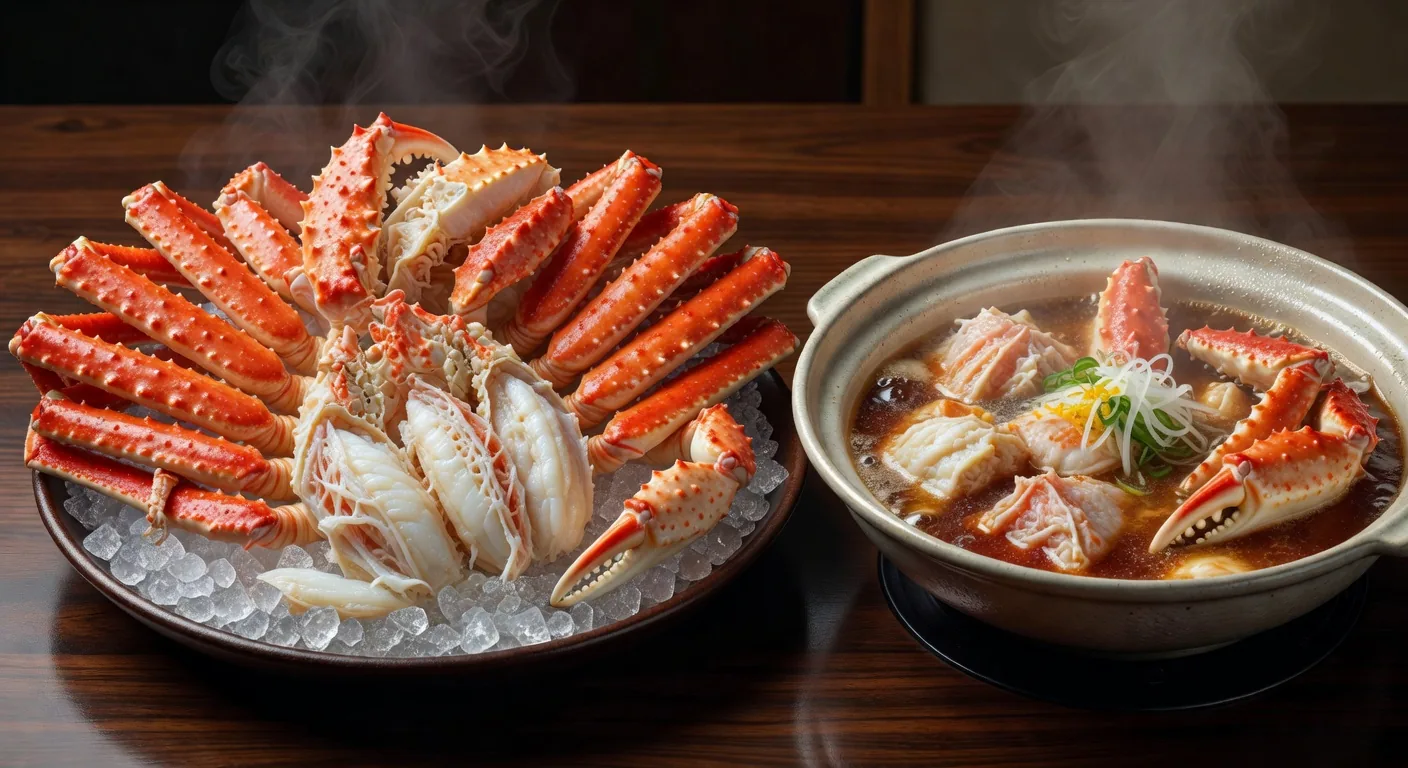
The Crab Pilgrimage: Tottori's Matsuba Gani Season
Every November, thousands of Japanese food lovers make the trek to Tottori's coastal ports for one thing: matsuba gani, the snow crab from Japan's wild western coast. Here's everything you need to understand the obsession.
Read More →Beyond Ordinary Chicken: The Science of Japanese Jidori
What makes jidori (free-range chicken) taste so profoundly different from standard broiler chicken? We explore the biology, farming practices, and regional variations of Japan's most prized poultry.
Read More →Umami: Japan's Fifth Taste and Its Regional Expressions
Umami was identified in 1908 by Tokyo scientist Kikunae Ikeda — and it is the invisible thread that connects Japanese cuisine across all 47 prefectures. How different regions harness and express this mysterious flavor.
Read More →Fermented Japan: How Miso, Soy Sauce, and Sake Shaped a Nation's Cuisine
Japan's fermentation tradition spans over two millennia. From the miso fields of Aichi to the sake breweries of Niigata, fermentation is not a technique — it is a philosophy that permeates every aspect of Japanese food culture.
Read More →Ramen Nation: A Prefecture-by-Prefecture Noodle Breakdown
From Sapporo's miso to Fukuoka's tonkotsu, via Kitakata's shoyu and Tokyo's shio — Japan's regional ramen diversity is staggering. Our definitive map of Japan's ramen geography.
Read More →Japan's Rice Obsession: Why Different Prefectures Grow Such Different Grains
Koshihikari, Akita Komachi, Nanatsuboshi — Japan's regional rice varieties are as complex and varied as its wine appellations. A guide to the grains that define Japanese cooking.
Read More →Full Article
Free-Range & Flame-Grilled: Inside Miyazaki's Jidori Obsession
By Burger House Place Editorial Team · Miyazaki Prefecture · May 2026
The morning we arrived at Kawaminami Farm in Miyazaki Prefecture, the sky was the deep, saturated blue that only appears in Japan's southernmost main island — a blue so vivid it seemed almost artificial. The chickens were already out, ranging across a hillside terrace of sun-dried grass, pecking and scrabbling with a purposefulness that ordinary poultry rarely display.
These were Hyuga Jidori birds — designated as such by Miyazaki Prefecture's strict certification system, which requires that they be raised for at least 80 days, fed a specific grain diet, and given at least 250 square centimeters of outdoor space per bird. It is a standard of care that results in a production cost roughly four times higher than conventional broiler farming.
Chef Yoshida Hiroyuki, whose tiny 8-seat yakitori counter in central Miyazaki city has a six-week waiting list, describes the jidori experience with the quiet intensity of someone explaining something genuinely important. "The difference between jidori and regular chicken is the difference between a line drawing and an oil painting," he says, threading a skewer through a piece of thigh meat with practiced ease. "They're technically the same subject, but the experience of looking at them is entirely different."
The firmness of jidori meat — the result of the bird's active outdoor life — means it responds differently to heat. Yakitori made with jidori has a satisfying resistance that yields slowly to the bite, releasing flavor in waves rather than all at once. The skin, when properly grilled over binchotan charcoal, blisters and crisps into something resembling the best part of a roast chicken — but at a smaller, more intense scale.
Most remarkable — and most distinctive to Miyazaki's food culture — is tori no tataki: chicken sashimi. Prepared from the freshest jidori, the breast and thigh are briefly seared over direct flame and then immediately chilled, leaving the interior rare to almost raw. Sliced thin and served with citrus ponzu, grated ginger, and perilla, it is an experience that demands trust in the quality of the ingredient — and that trust, in Miyazaki, is entirely warranted.
In a culture where food safety is paramount, the practice of eating semi-raw chicken might seem alarming. In Miyazaki, it is a mark of pride — possible only because the jidori certification system ensures a level of freshness and hygiene that makes the dish safe, and the quality of the bird makes it revelatory. It is, in the truest sense, a taste of a specific place, season, and culture that cannot be replicated elsewhere.
Miyazaki's jidori obsession is, in miniature, a microcosm of Japan's broader relationship with regional food identity. The prefecture does not have Kobe's wealth or Kyoto's prestige, but it has this: a chicken raised with extraordinary care in a landscape of extraordinary beauty, eaten in ways that have evolved specifically to honor the quality of that particular bird. In Japan, that is more than enough.